
Introduction:The nails are present at the end of each finger tip on the dorsal surface.The main function of nail is protection and it also helps for a firm grip for holding articles.It consists of a strong relatively flexible keratinous nail plate originating from the nail matrix. Under the nail plate there is a soft tissue called nail bed.Between the skin and nail plate there is a nail fold or cuticle.Normal healthy nail is slight pink in colour and the surface is convex from side to side.Finger nails grow 1 cm in three months and toe nails take 24 months for the same.
Importance of nails in disease diagnosis:
The colour ,appearance,shape and nature of the nails give some information about the general health and hygiene of a person . Nails are examined as a routine by all doctors to get some clues about underlying diseases.Just looking at nails we can makeout the hygiene of a person.The abnormal nail may be congenital or due to some diseases.The cause for changes in the nail extend from simple reasons to life threatening diseases.Hence the examination by a doctor is essential for diagnosis .Some abnormal findings with probable causes are discussed here for general awareness.
1) Hygiene:-
We can make out an unhygienic nail very easily .Deposition of dirt under the distal end of nail plate can make a chance for ingestion of pathogens while eating.If nail cutting is not done properly it can result in worm troubles in children.When the worms crawl in the anal orifice children will scratch which lodges the ova of worms under the nails and will be taken in while eating.Prominent nail can also complicate a skin disease by habitual scratching.Sharp nails in small kids cause small wounds when they do feet kicking or hand waving.
2) Colour of the nails:-
a) Nails become pale in anaemia.
b) Opaque white discolouration(leuconychia) is seen in chronic renal failure and nephrotic syndrome.
c) Whitening is also seen in hypoalbuminaemia as in cirrhosis and kidney disorders.
d) Drugs like sulpha group,anti malarial and antibiotics ect can produce discolouration in the nails.
e) Fungal infection causes black discolouration.
f) In pseudomonas infection nails become black or green.
g) Nail bed infarction occures in vasculitis especially in SLE and polyarteritis.
h) Red dots are seen in nails due to splinter haemorrhages in subacute bacterial endo carditis, rheumatoid arthritis, trauma, collagen vascular diseases.
i) Blunt injury produces haemorrhage and causes blue/black discolouration.
j) Nails become brown in kidney diseases and in decreased adrenal activity.
k) In wilsons disease blue colour in semicircle appears in the nail.
l) When the blood supply decreases nail become yellow .In jaundice and psoriasis also nail become yellowish.
m) In yellow nail syndrome all nails become yellowish with pleural effusion.
3) Shape of nails:-
a) Clubbing: Here tissues at the base of nails are thickened and the angle between the nail base and the skin is obliterated. The nail becomes more convex and the finger tip becomes bulbous and looks like an end of a drumstick. When the condition becomes worse the nail looks like a parrot beak.
Causes of clubbing:-
Congenital Injuries
Severe chronic cyanosis
Lung diseases like empyema,bronchiactesis,carcinoma of bronchus and pulmonary tuberculosis.
Abdominal diseases like crohn's disease,polyposis of colon,ulcerative colitis,liver cirrhosis ect...
Heart diseases like fallot's tetralogy,subacute bacterial endocarditis and ect..
b) Koilonychia:-
Here the nails become concave like a spoon.This condition is seen in iron deficiency anaemia.In this condition the nails become thin,soft and brittle.The normal convexity will be replaced by concavity.
c) Longitudinal ridging is seen in raynaud's disease.
d) Cuticle becomes ragged in dermatomyositis.
e) Nail fold telangiectasia is a sign in dermatomyositis ,systemic sclerosis and SLE.
4) Structure and consistancy:-
a) Fungal infection of nail causes discolouration,deformity,hypertrophy and abnormal brittleness.
b) Thimble pitting of nail is charecteristic of psoriasis ,acute eczema and alopecia aereata.
c) The inflamation of cuticle or nail fold is called paronychia.
d) Onycholysis is the seperation of nail bed seen in psoriasis,infection and after taking tetracyclines.
e) Destruction of nail is seen in lichen planus,epidermolysis bullosa.
f) Missing nail is seen in nail patella syndrome.It is a hereditary disease.
g) Nails become brittle in raynauds disease and gangrene.
h) Falling of nail is seen in fungal infection,psoriasis and thyroid diseases.
5) Growth:-
Reduction in blood supply affects the growth of nails. Nail growth is also affected in severe ilness. when the disease disappears the growth starts again resulting in formation of transverse ridges.These lines are called Beau's lines and are healpful to date the onset of illness.
Read more...
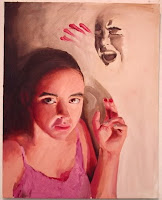
People who may be suffering from depression or manic disorders actually exhibit or show each and every kind of symptom of depression that doctors will tell you that depressed people have. Sometimes it’s actually quite easy to overlook such symptoms and not be able to help one’s self or others who are suffering from depression for that matter.
There are actually a lot of symptoms of depression that depressed people may actually posses but they don’t have to suffer from each and every one of them before you actually help them get diagnosed and be treated for this illness. Also, since symptoms of depression actually vary, the time of their "attacks" varies as well.
Here are some common examples of symptoms of depression:
Prolonged period of sadness or not feeling "up to it," people who are always feeling not in the mood, who’d rather mope around the house and feel sorry for one’s self is the best example for this symptom of depression.
Feels hopeless, perennial pessimist: speaking of feeling sorry for one’s self, another common symptom of depression is when a person actually feels like he/she has nothing to look forward to in his or her life. As for being the perennial pessimist, those who show this symptom of depression are usually very negative about things, again, the feeling of hopelessness comes in to mind.
Guilt-driven, loss of self-worth and helplessness: other symptoms of depression that can be easily seen on people who prefer to mope around all day long are these. Whenever a person feels so guilty over something, that actually makes one a very sad person who feels like he or she doesn’t deserve to be happy. Thus, the loss of self-worth, if that person feels like he or she isn’t worthy of being happy or enjoying one’s self then that’s clear tell-tale symptom of depression. Helplessness also contribute to being depressed, when assuming that things won’t simply go your way, it’s already a clear saying that you have absolutely no hope in your body at all.
Isn’t interested in finding or taking pleasure; just dropping the hobbies as well as the other things that one used to enjoy: this tell-tale symptom of depression just shows how depressed a person can be, if one is actually too sad to take pleasure even in the very things that one loves then that person is seriously lacking something, rather, that person might well have caught the depression bug.
Fatigue, always tired: people suffering from depression, since they’ve lost whatever interest in life that they may have had before are actually lacking of physical energy at all times, if one would prefer to just mope around, probably won’t even eat not get enough sleep, a depressed person may well be on their way to not just a mental illness but depression can actually be terrible for one’s physical health as well.
Having trouble concentrating, having bad memory and is indecisive: a person who is suffering from depression easily gives away this tell-tale symptom of depression. Wherein one’s lack of interest with regards to the outside world or for just about anything for that matter can lead to that person’s inability to lose track of things and actually not be able to remember things that happened or what other people said. Lack of interest actually makes depressed people very inattentive.
There are actually more symptoms of depression that can actually help you see if a person (or you) needs to be brought to the doctor to get some help when it comes to depression: lacking sleep, sleeping too much or waking up at wee hours of the morning are all symptoms of depression (if it happens on a daily basis), appetite loss as well as eating too much may show one’s lack of enthusiasm for life. Be weary of sudden weight loss or weight gain in those around you. Being suicidal, talking about death, about wanting to die is another clear indication that that person is depressed. Being restless and irritable and physical symptoms that are usually brought about by poor mental health such as headaches, digestive disorders and various body pains.
Read more...

Warts are a skin condition that many individuals have. Although this condition is, in most cases, completely harmless, there are many individuals who wish to have their warts removed. This is because some warts, depending on their location, can be painful and others are unattractive. If you have warts and you are interested in having them removed, there is a good chance that you may have thought about doing your own at home wart removal. While it is possible to do, are you aware of the dangers? If not, it is important to familiarize yourself with them.
With at home wart removal, you have a number of different options. Those options include home remedies, as well as over-the-counter medications. Although over-the-counter wart removers may be considered safer, it is important to remember that they are both associated with risks. These risks may not only be harmful to your health, but to your physical appearance. That is why it is important to familiarize yourself with these risks, ahead of time.
As mentioned above, over-the-counter wart removal products are considered relatively safe. The problem that many individuals face is not properly using them. Before you begin using an over-the-counter wart removal, you are advised to read all of the directions and warnings. This will help to make sure that you do not accidentally make a mistake, which could make your wart or the skin around it worse. For example, freeze-off wart removal products are a popular choice among those who want to remove their own warts, but did you know that the formula can cause skin scaring or burns?
In addition to reading the directions, it is also important that you examine the ingredients in each product. Unfortunately, when it comes to over-the-counter medications, many of the ingredients are hard to read or hard to understand. That is why it is advised that those with numerous allergies seek assistance from a medical professional. Medical professionals are easily able to associate allergies with medical products, including over-the-counter wart removers. If you try a product, only to later find out that you were allergic to one of the ingredients, you are advised to seek medical assistance right away.
If you are interested in using a home remedy, instead of an over-the-counter product, you are advised to proceed with caution. This includes begin cautious of your source of information. It might be best to purchase a home remedy book or find a trusted and well-known online home remedy website. This will help to ensure that you are not only getting accurate information, but safe information as well. If a home remedy sounds too far fetched, it just may be.
As with over-the-counter wart removers, it is important that you know what you are using. You will want to make sure that you are not allergic to any of the ingredients needed. As mentioned above, you may be putting yourself at serious risk by knowingly using a product that you are allergic to. The good thing about wart removal home remedies is that there are a number of them out there. Essentially, this means that you should be able to find at least one home remedy that uses ingredients that are safe for you. That is why it is advised that you never put yourself at risk, especially when it really isn’t even necessary.
It is important to focus on the dangers of the removal procedure, itself, but it is also important to focus on what will happen afterwards. You are advised to properly care for the spot where your wart once was. This often entails cleaning the area, as well as keeping it covered. Unfortunately, when undergoing an at home wart removal procedure, you are not given professional advice. That means it is your reasonability to not only know the proper ways to take care of your skin, but also make sure that you do. By not taking care of your skin, you could be putting yourself at risk for other serious health complications, such as an infection.
Although, as you can see, there are dangers associated with at home wart removals, but there are also benefits. That is why it is important that you not only consider the disadvantages, but the advantages as well.
Read more...
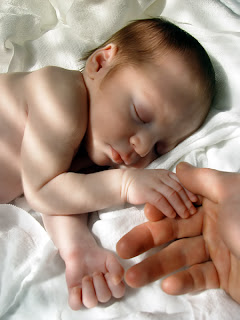
Research shows that more than 20% of babies will develop Colic. This is not a disease or a disorder but parents will have to deal with the endless hours of crying until the newborn is four months of age.
Is there really a permanent solution for Colic? The answer is no. The best thing that a parent can do is remedy the situation until this will gradually go away as the infant gets older.
Here are some of those remedies.
1. Infants are used to having something in the mouth due to breastfeeding. Since the mother’s breasts cannot be there every time, using a pacifier can help the baby stay calm thus preventing excessive crying.
2. Watching the baby cry does not do anything. The parent must remedy the colic baby by taking it out of the crib and swaying it from side to side. Sometimes the sense of touch can do wonders making the infant know that he or she is safe. It will also be a good idea to sin g a lullaby that has been known to help the child drift again to sleep.
3. Another way to remedy a colic child will be to use a CD that plays light music. Studies have shown this works similar to how the mother sings a lullaby to the child.
4. The baby will get heavier as it gets older. Instead of carrying it in the arms, another remedy will by putting the infant in the carriage and going for a stroll. Some parents have taken the child for a ride in the car, which also helps calm the newborn.
5. Giving the baby a warm bath can also help. Since this can’t be done every time, the parent can put a warm bag on the belly or try massaging lotion instead. It will be a good idea to cover the pack with a towel since the temperature could be too much for the infant.
6. The type of food being eaten by the mother may also cause the child to be colic. Consulting with a dietitian help prevent this from happening as foods that produce gas are replaced with healthier ones.
If the situation does not change, this is the time that medication such as Simethicone drops should be used.
7. Some mothers stop breastfeeding after the 2nd month and change this with cow milk formula. Some babies are colic because of the formula so one way to remedy it will be to change this with a soy based formula.
8. Air is the root cause of some children being colic especially when the infant is now drinking from a bottle. The parent should check the hole of the nipple since a big hole makes the baby drink more than usual. If this happens, it will be a good idea to buy a new set of nipples.
A colic baby believe it or not is a healthy one. This is because the behavior it shows makes people aware of its existence and needs.
There will be times that the parents will get up late at night or early in the morning to address this but this can be remedied. Before one knows it, the excessive crying will not happen anymore as the infant has adjusted to the new environment.
Read more...

Hypercortisolism is a long medical term that defines Cushing’s syndrome. Cushing’s syndrome is a hyperactive disorder that affects the adrenal cortex and results in excessive secretion of cortisol, which is passed from Glucocorticoids. Cushing’s syndrome can increase sex hormones and mineralocorticoids.
The pituitary glands are stimulated by hypothalamic. The pituitary glands are also affected by carcinoma and/or adenoma. As well, the adrenal glands are affected by hyperplasia when Cushing’s syndrome is present. When Cushing’s syndrome is present, exogenous secretes into the ACTH via the neoplasm, which is malignant. It continues onto the gallbladder and lungs. You will need to read the anatomy of the skeleton system to see how it affects the spinal column, which in turn causes back pain.
The disorder prolongs or submits excessive administration of ACTH and/or Glucocorticoids into the system, which transmits to the cortex. Since ACTH is secreted excessively into the system, it causes joint pain, edema, fragile skin, weight gain, hypertension, ecchymosis, fatigue, weakness, hirsutism, mood swings, and so on. The symptoms carry onto create acne, abdomen striae, slow healing, moon face, muscle waste, recurrent infections, buffalo humps, gynecomastia, truncal obesity, and so on. We see that obesity, joint pain, weight gain, edema, and other elements of the disorder causes back pain as well.
The symptoms are considered before diagnostics is conducted. Doctors will use a variety of tests to discover Hypercortisolism or Cushing’s syndrome. In short, Cushing’s syndrome is a condition set up by weak muscles and obesity, or abnormal conditions of the body’s functions. The tests conducted to show Cushing’s syndrome include blood chemistry, dexamethasone suppression, X-rays, GTT, CT scans, angiography, ultrasonography, and so on. During testing doctors will look for decreases in “17-OHCS,” osteoporosis, tumors, especially in the pituitary glands and adrenal glands, decreases in potassium, increases in cortisol, sodium, Aldosterone, ACTH, etc. Doctors will also search for decreases in eosinophilis, red blood cells, and white blood cells.
When the condition is noted, doctors recommend management. Diets are instructed, which include low-calorie, sodium, carbohydrates, etc. The patient is ordered to take high-protein and potassium regimens as well. Activity is ordered, yet only as tolerated by the patient.
Once management starts, the doctor will monitor the patient. During monitoring your doctor will perform additional tests, which include UO, I/O, VS, glucose, ketones, and so on. Radiation therapy is prescribed in the worst conditions.
Cushing’s syndrome can lead to further complications, including nephrosclerosis, insufficient adrenal, fractures, arteriosclerosis, infections, diabetes mellitus, hypertension, CHF, arrhythmias, psychosis, and so on.
If you are diagnosed with Cushing’s syndrome, it is important to maintain your diet, balance fluids, rest, and limit intake of water. Your doctor will set up a regimen and/or management scheme, which you should follow accordingly to avoid further complications. Since this disorder affects the entire body and puts you at risk of fractures, peptic ulcers, etc, it is important to follow precise orders.
Fractures can lead to serious back pain. Fractures are outlined in medical terms as permanence breaks of the bones. Cushing’s syndrome puts you at risk of fractures, which could include greenstick, avulsions, pathologic, depression, oblique, spiral, compound, compressed, etc. In addition to fractures, obesity will cause back pain. If possible, try to reduce your weight. You can ask your doctors about workouts suited for your condition, which you can act on to reduce weight. Your doctor may suggest some steps you can take to reduce weight as well.
Cushing’s syndrome can cause back pain, yet various other diseases can cause pain to the back as well, including cholecystitis. Learn more about the inflammatory disease to see how it causes back pain.
Read more...
!!!!! DISCLAIMER !!!!!
All content on this Web site, including medical opinion and any other health-related information, is for informational purposes only and should not be considered to be a specific diagnosis or treatment plan for any individual situation. Use of this site and the information contained herein does not create a doctor-patient relationship. Always seek the direct advice of your own doctor in connection with any questions or issues you may have regarding your own health or the health of others.
 Introduction:The nails are present at the end of each finger tip on the dorsal surface.The main function of nail is protection and it also helps for a firm grip for holding articles.It consists of a strong relatively flexible keratinous nail plate originating from the nail matrix. Under the nail plate there is a soft tissue called nail bed.Between the skin and nail plate there is a nail fold or cuticle.Normal healthy nail is slight pink in colour and the surface is convex from side to side.Finger nails grow 1 cm in three months and toe nails take 24 months for the same.


